Comprehensive Guide to Successful Pest Management: Strategies, Techniques, and Environmentally Safe Methods
The problem of pest control often presents significant concerns for homeowners. Recognizing the specific pests infesting a space is crucial for effective management. By implementing preventive measures and eco-friendly solutions, individuals can establish a sustainable environment. However, not all methods are equally effective. Understanding the nuances of pest control can significantly impact success. What strategies should be prioritized for long-term results?
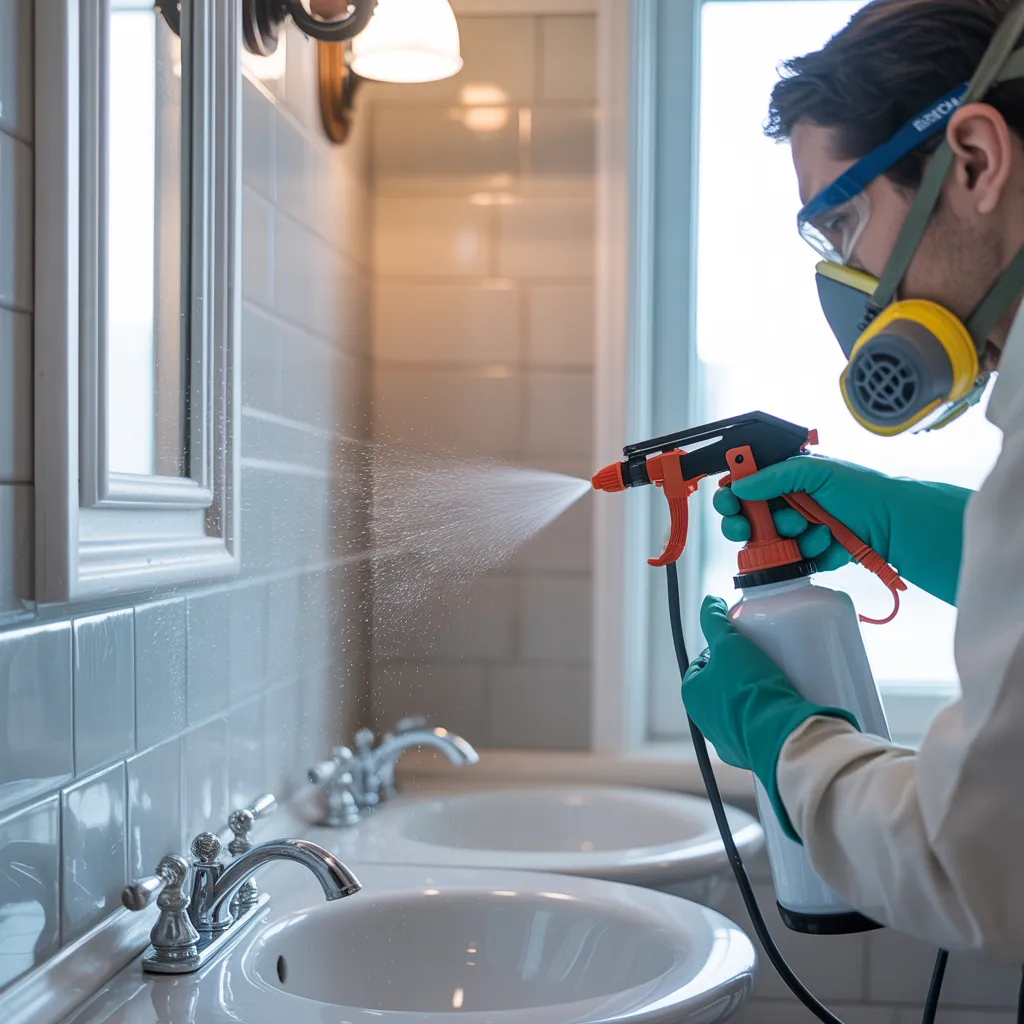
Detect the Pests Entering Your Home
In what ways can residents successfully recognize pests infiltrating their property? To start, they ought to watch for any uncommon evidence, like excrement, bite marks, or shelters, which could reveal distinct pest behavior. As an example, tiny, dark feces might imply a mouse problem, whereas bigger, uneven droppings could signal a rat issue. In addition, homeowners must notice sounds including scratching or scrambling, primarily in the evening hours.
Next, analyzing the locations where these evidence are detected can assist in narrow down the type of pest. Reviewing food storage spaces, attics, and basements is vital, as these areas often shelter unwanted guests. Homeowners should also search for physical evidence, such as shed skins, webs, or bite marks on furniture.
In conclusion, leveraging online resources or pest identification guides can provide valuable insights, permitting homeowners to match their findings with known pest characteristics and behaviors. This knowledge is critical for effective pest management.
Proven Preventive Methods for a Bug-Free Home
A few proactive measures can significantly reduce the chance of pests invading a home. Regularly sealing gaps and cracks in wall structures, windows, and doors can remove entry points for pests and rodents. Residents should also verify that screens on windows and vents are undamaged, as these can serve as additional protective layers.
Maintaining a clean environment is essential; food should be placed in airtight containers, while spills and crumbs must be quickly cleaned. Additionally, proper waste management through regular disposal and secure trash bins can deter pests.
Landscaping plays a role as well; ensuring vegetation neatly maintained and away from the home can stop pests from conveniently reaching the structure. Additionally, verifying that gutters are free of debris and downspouts direct water away from the foundation can reduce moisture, a common attractant for various pests. By utilizing these approaches, homeowners can develop an inhospitable environment for pests, supporting a pest-free living space.
Eco-Friendly Strategies for Proven Pest Control
As home residents search for sustainable pest control solutions, eco-friendly solutions have gained popularity. Environmentally safe pest barriers, aromatic oils for pest prevention, and employing advantageous insect species provide viable options instead of synthetic pesticides. These approaches not only protect living spaces but also support environmental health.
Organic Pest Repellents
Natural pest repellents provide an efficient and environmentally friendly solution to controlling troublesome pests. These solutions utilize ingredients sourced from nature, which are typically safer for environmental health and human health. Widely-used natural deterrents include diatomaceous earth, which disrupts the exoskeleton of insects, and neem oil, renowned for its pest-repelling properties. Additionally, plants such as marigolds and lavender can be carefully placed in gardens to repel pests naturally. Garlic and chili pepper sprays also work as powerful repellents. By incorporating these alternatives, people can minimize reliance on chemical pesticides, promoting a more sustainable strategy to pest management. Emphasizing natural pest deterrents not only protects one's living space but also gives positively to local ecosystems.
Essential Oils Used in Repellents
Natural essential oils have surfaced as powerful allies in the journey toward eco-friendly pest control alternatives. These concentrated plant extracts offer natural repellent properties, making them effective against a diverse selection of pests, including common household pests like mosquitoes, ants, and spiders. Widely-used essential oils such as eucalyptus, peppermint, and lavender can be readily integrated into homemade sprays or diffusers. When combined with a copyright oil or water, these oils not only repel pests but also impart pleasant fragrances to living spaces. Moreover, essential oils are eco-friendly and non-hazardous, making them secure substitutes to chemical pesticides. By using essential oils, homeowners can create a pest-free environment while reducing their ecological footprint and supporting a healthier home.
Beneficial Insects Utilization
Using beneficial insects serves as a very efficient and eco-friendly method to pest control. These natural predators, such as ladybugs, lacewings, and parasitic wasps, contribute considerably to managing pest populations without damaging the environment. By incorporating these insects into gardens or agricultural settings, one can minimize the dependency on chemical pesticides. For example, ladybugs feast on aphids, while parasitic wasps focus on caterpillars and other harmful pests. Additionally, creating a habitat that encourages beneficial insects, such as planting diverse flowering plants, improves their presence and effectiveness. This approach not only fosters a balanced ecosystem but also leads to healthier crops and gardens. Embracing beneficial insects ultimately fosters sustainable practices and reduces the ecological footprint connected to traditional pest control methods.
Safely Identifying and Managing Pest Infestations
How can one effectively identify and manage pest infestations while providing safety? To begin, one must watch for signs of infestation, such as droppings, gnaw marks, or nests. Utilizing non-toxic methods, such as sticky traps, can help reveal the presence of pests without introducing harmful chemicals. Observing the situation regularly aids in early detection, which is critical for effective management.
Upon discovery, the next step consists of implementing eco-friendly solutions. Sealing entry points, keeping cleanliness, and monitoring moisture levels can deter pests from entering. When needed, one should consider applying natural repellents, such as diatomaceous earth or essential oils, to handle the problem without jeopardizing safety.
In severe situations, professional help may be required. Choosing a pest control service that prioritizes eco-friendly practices makes certain that the methods used are safe for both individuals and the environment. Ultimately, a proactive and informed approach is vital for managing pest infestations efficiently.
Benefits and Drawbacks of Do-It-Yourself Pest Control Methods
What are the benefits and drawbacks of DIY pest control methods? Do-it-yourself pest control presents several benefits, like cost savings and convenience. Homeowners can often implement solutions using readily available materials, eliminating the cost of expert services. In addition, individuals gain a sense of empowerment by tackling pest issues independently. Yet, there are significant drawbacks to consider. Do-it-yourself approaches might prove less effective for serious infestations, causing prolonged pest problems. Additionally, without proper knowledge, individuals risk using unsuitable or dangerous materials that could harm pets, children, or the environment. Misidentifying pests can also result in ineffective treatments, making the problem worse. Lastly, DIY efforts may demand significant time and effort, potentially dissuading individuals from seeking professional help when necessary. Evaluating these advantages and disadvantages is crucial for homeowners considering DIY pest control strategies.
When Should You Call in the Pest Control Experts?
Identifying the symptoms of an infestation is vital for successful pest treatment. When home remedy methods prove unsuccessful, it may be time to consider professional assistance. Expert pest control can tackle stubborn issues that homeowners have difficulty to handle on their own.
Indicators of Pest Problems
When is it time to seek professional help for a pest problem? Recognizing the signs of infestation is crucial in determining the need for expert intervention. Common indicators include the presence of droppings, gnaw marks, or nests in multiple areas of the home. Unusual damage to property, such as chewed wires or holes in walls, can also signal a pest issue. Additionally, strange smells or sounds, such as scratching or scurrying noises, may indicate that pests are active in the area. If these signs become evident and are beyond the homeowner's control, it is wise to consult pest control professionals. Early detection can prevent further damage and guarantee a more effective resolution to the infestation.
DIY Techniques Don't Work
Many homeowners may initially try various DIY solutions to address pest issues, but these methods can often end see this up being ineffective. Common methods, such as using store-bought sprays or homemade traps, may give temporary relief but don't eradicate the fundamental cause of the infestation. Pests like termites, rodents, and bedbugs often need specialized treatment that DIY methods cannot offer. Additionally, without adequate knowledge, homeowners may unintentionally worsen the problem or create safety hazards. Symptoms of a serious infestation, such as continuous sightings or structural damage, should encourage individuals to consider professional intervention. Pest control technicians possess the needed training, tools, and products to effectively address infestations, ensuring a extensive and lasting solution. Understanding the constraints of DIY techniques is vital for effective pest management.
Preserving a Long-Term Insect-Free Space
To preserve a long-term pest-free environment, one must adopt a proactive approach that involves prevention, monitoring, and effective management strategies. Periodic checks of the property can help uncover potential infestations before they escalate. Homeowners should verify that entry points, such as spaces in windows and doors, are sealed to repel pests. Proper sanitation is critical; food should be kept safely, and waste should be discarded immediately to reduce attractants.
Additionally, incorporating environmentally friendly pest control methods can increase effectiveness while preserving the environment. Using natural repellents and fostering beneficial insects can contribute to a balanced ecosystem. Using traps for monitoring pest populations is advisable, enabling timely interventions.
Educating household occupants about pest prevention measures further reinforces the overall strategy. By regularly implementing these approaches, homeowners can develop a long-lasting, pest-free environment that reduces reliance on intrusive pest control interventions.
Frequently Asked Questions
What Are the Common Symptoms of a Pest Infestation in My Home?
Typical indicators of a pest infestation include feces, gnawed areas, nests, and unusual sounds. Residents may also observe torn food packaging, mysterious marks, or the presence of live insects or rodents in their living areas.
Do Particular Plants Naturally Repel Certain Pests?
Specific plants, including lavender and marigold, inherently repel pests such as mosquitoes and aphids. Furthermore, peppermint and basil can keep away ants and flies, delivering an green way to handling pest challenges in gardens and homes.
How Do I Tell the Difference Between Helpful Insects and Damaging Pests?
To tell apart beneficial insects and harmful pests, one can observe their behaviors, physical characteristics, and roles in the ecosystem. Beneficial insects typically help pollinate plants or regulate pest populations, while harmful pests damage crops and plants.
What Household Items Can I Use for Homemade Pest Repellents?
Baking soda, vinegar, essential oils, and soap are common household items used for homemade pest repellents. These ingredients can keep away various pests while being eco-friendly, delivering a natural alternative to chemical-based solutions.
How Do Weather Conditions Affect Pest Activity Levels?
Weather patterns greatly affect pest activity levels. Elevated temperatures usually raise pest populations, while substantial rain can create reproduction sites. In contrast, frigid weather often reduces pest activity, producing reduced populations and lessened interactions with humans.